
 Image 1 of 3
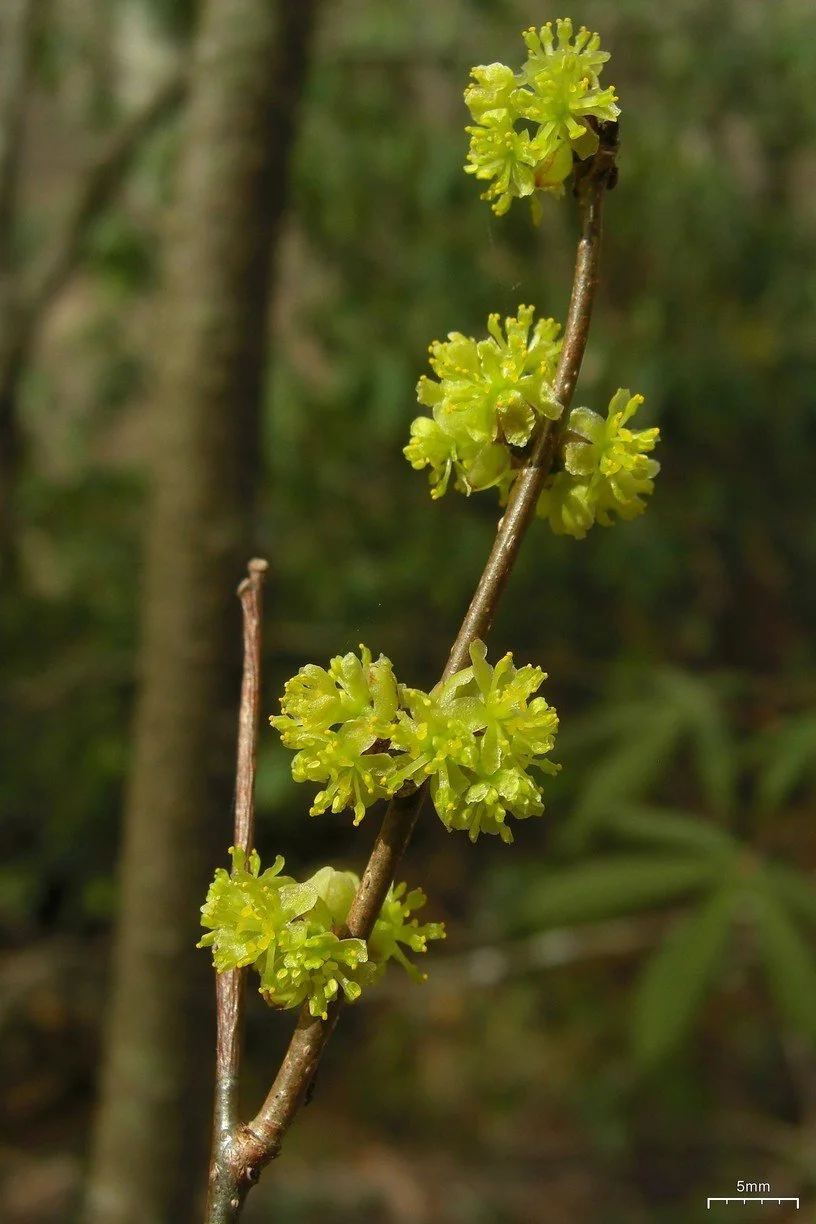 Image 2 of 3
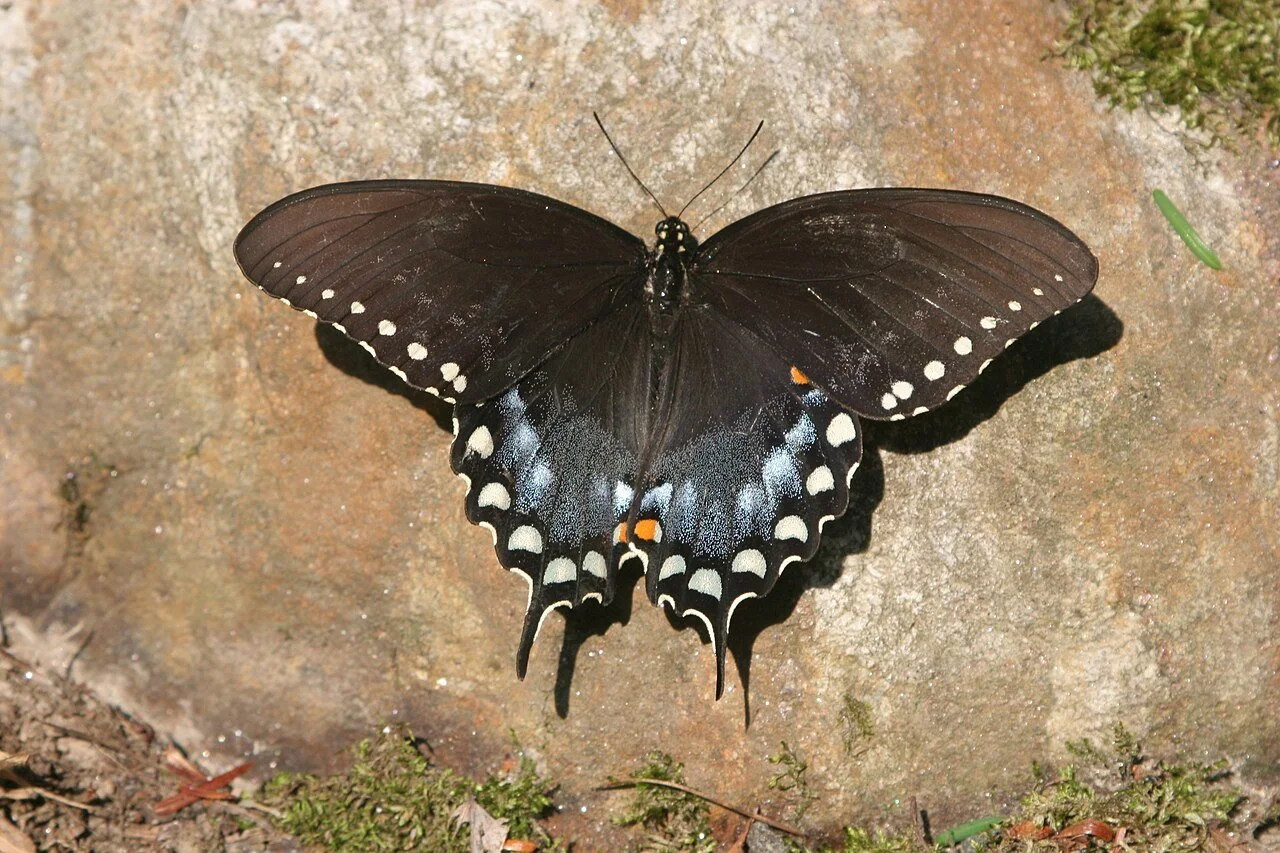 Image 3 of 3
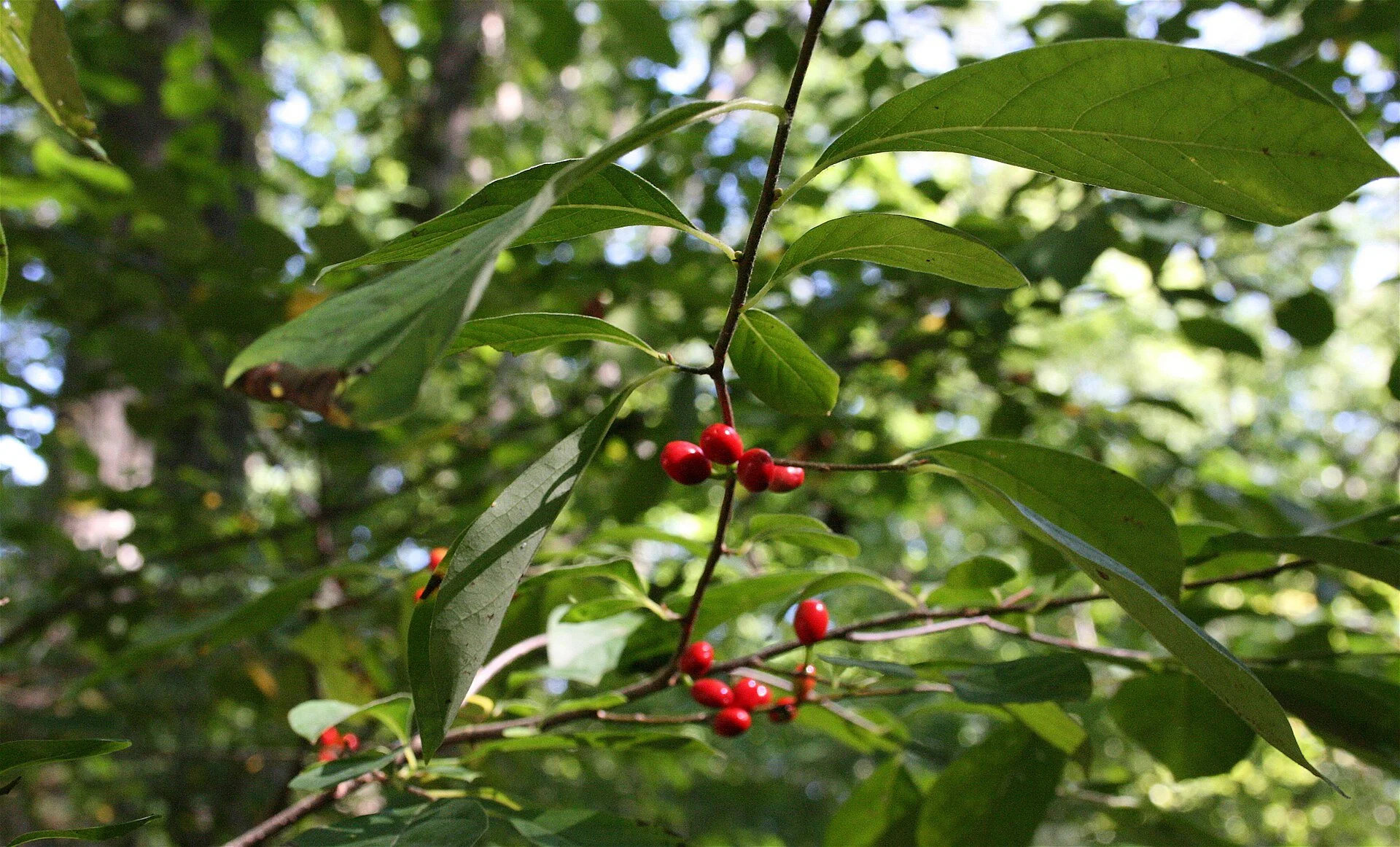
So named because it’s a host plant for the Spicebush Swallowtail butterfly. Yellow flowers grow in showy clusters in the spring. Leaves and stems are aromatic when crushed, having a spicey, citrusy smell.
The spicebush grows to 6-12’ high. Grows best in full sun but will handle shade too. Food source for many mammals, birds. The berries are a favourite food of wood thrushes.
it reproduces by root sprouting, forming clumps or thickets.
Photos from Wikipedia: By Jason Hollinger, https://commons.wikimedia.org/w/index.php?curid=24213181 ; By Kristof Zyskowski & Yulia Bereshpolova - https://www.flickr.com/photos/40621085@N08/34491403321/, https://commons.wikimedia.org/w/index.php?curid=131351554; By Cody Hough https://commons.wikimedia.org/w/index.php?curid=4819038
So named because it’s a host plant for the Spicebush Swallowtail butterfly. Yellow flowers grow in showy clusters in the spring. Leaves and stems are aromatic when crushed, having a spicey, citrusy smell.
The spicebush grows to 6-12’ high. Grows best in full sun but will handle shade too. Food source for many mammals, birds. The berries are a favourite food of wood thrushes.
it reproduces by root sprouting, forming clumps or thickets.
Photos from Wikipedia: By Jason Hollinger, https://commons.wikimedia.org/w/index.php?curid=24213181 ; By Kristof Zyskowski & Yulia Bereshpolova - https://www.flickr.com/photos/40621085@N08/34491403321/, https://commons.wikimedia.org/w/index.php?curid=131351554; By Cody Hough https://commons.wikimedia.org/w/index.php?curid=4819038