
 Image 1 of 5
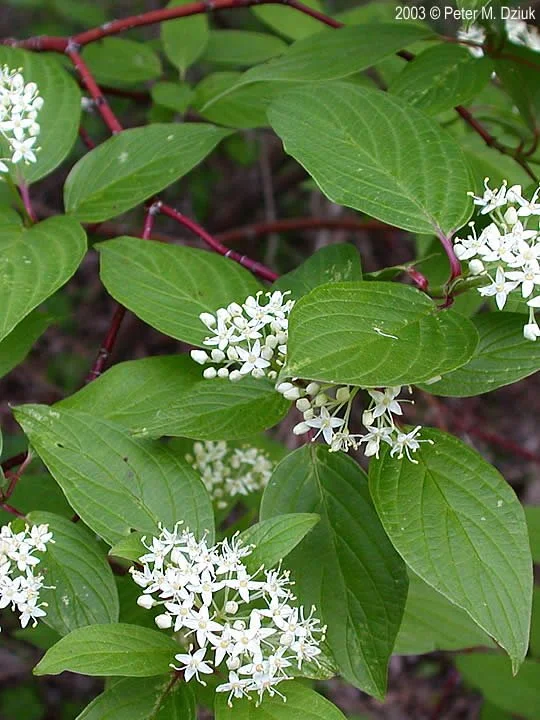 Image 2 of 5
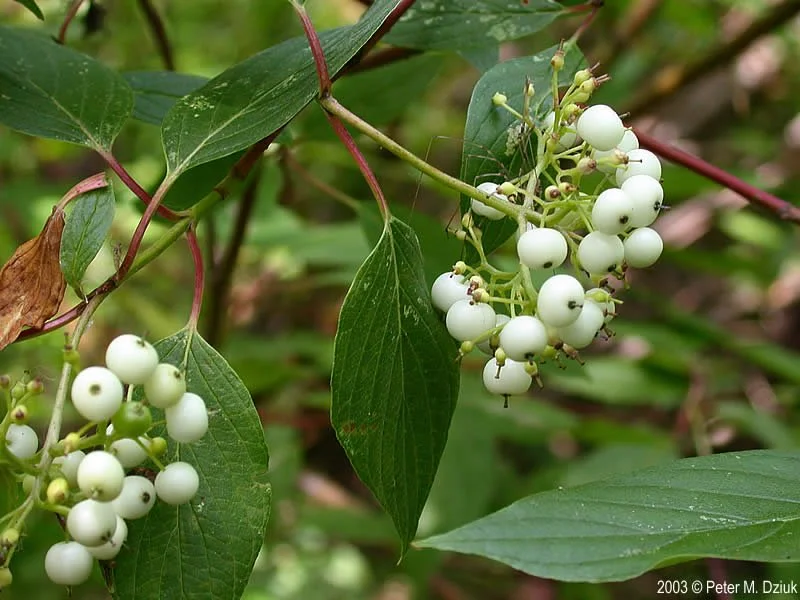 Image 3 of 5
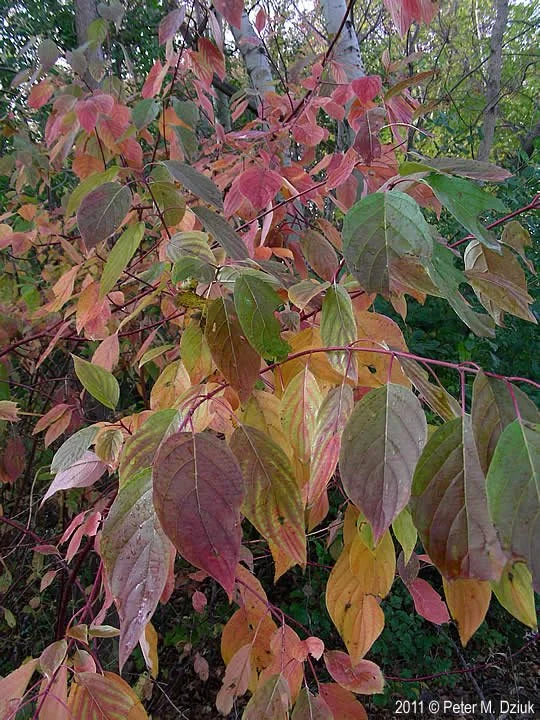 Image 4 of 5
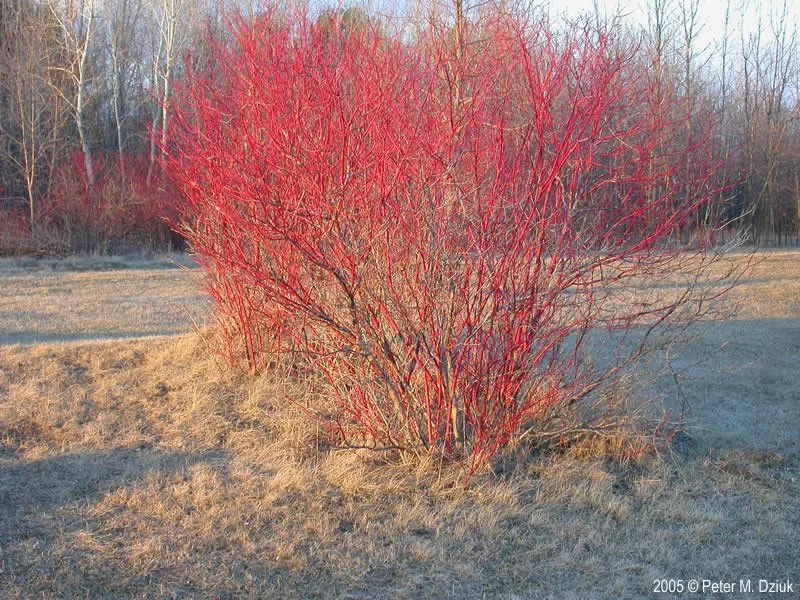 Image 5 of 5
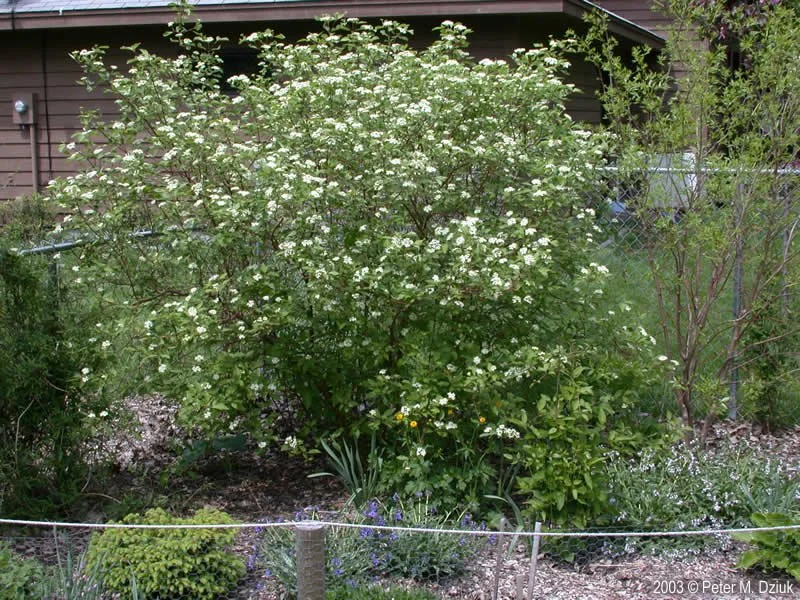
Red Osier Dogwood’s most striking feature is its bark, which remains a satiny-red all year, especially eye-catching against a snowy backdrop. This makes it a wonderful perennial choice to keep some color in your garden long after the blooms have faded. Its white umbrella-shaped flowers are clustered along the branches and emerge between June and September, with white or pale-blue berries in the fall.
Cornus sericea does well in moist areas. It can vary in height from 3 feet to a looming 10 feet once well established, but occasional pruning in early spring or late winter can keep the height manageable if desired.
This species is an important food source for many pollinators, including the Spring Azure butterfly as well as bumblebees, beetles, flies and several other types of insects. Bird visitors to this gorgeous plant could include finches, sparrows, kingbirds, catbirds, woodpeckers and more.
sold as a 20-40cm plug. Images by Peter Druziuk of Minnesota Wildflowers
Red Osier Dogwood’s most striking feature is its bark, which remains a satiny-red all year, especially eye-catching against a snowy backdrop. This makes it a wonderful perennial choice to keep some color in your garden long after the blooms have faded. Its white umbrella-shaped flowers are clustered along the branches and emerge between June and September, with white or pale-blue berries in the fall.
Cornus sericea does well in moist areas. It can vary in height from 3 feet to a looming 10 feet once well established, but occasional pruning in early spring or late winter can keep the height manageable if desired.
This species is an important food source for many pollinators, including the Spring Azure butterfly as well as bumblebees, beetles, flies and several other types of insects. Bird visitors to this gorgeous plant could include finches, sparrows, kingbirds, catbirds, woodpeckers and more.
sold as a 20-40cm plug. Images by Peter Druziuk of Minnesota Wildflowers