
 Image 1 of 3
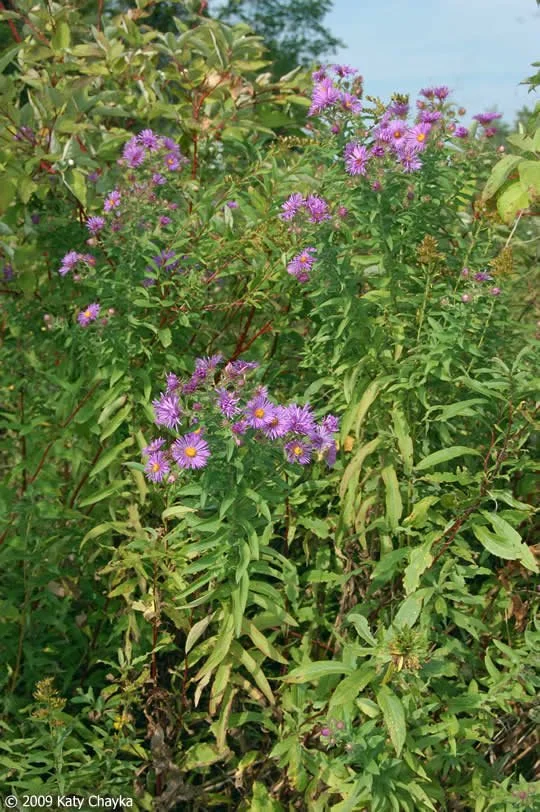 Image 2 of 3
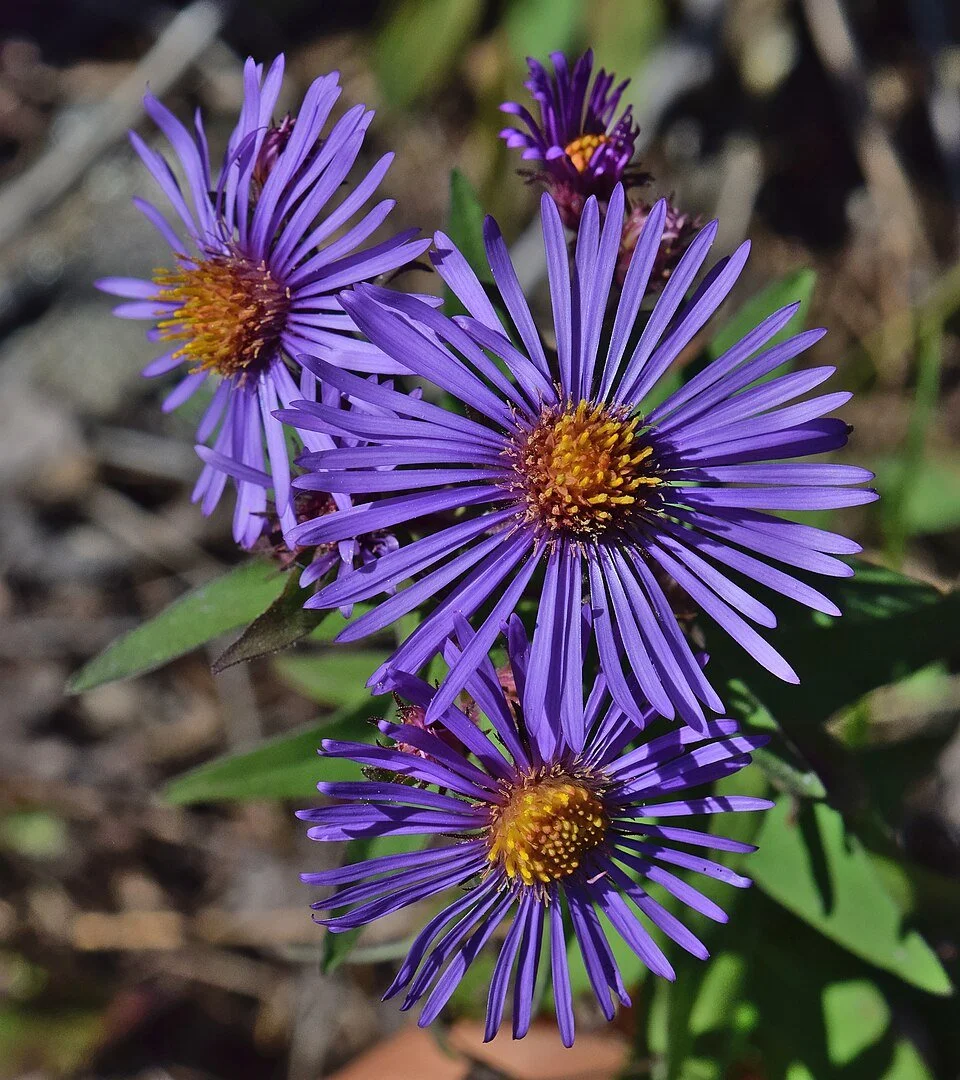 Image 3 of 3
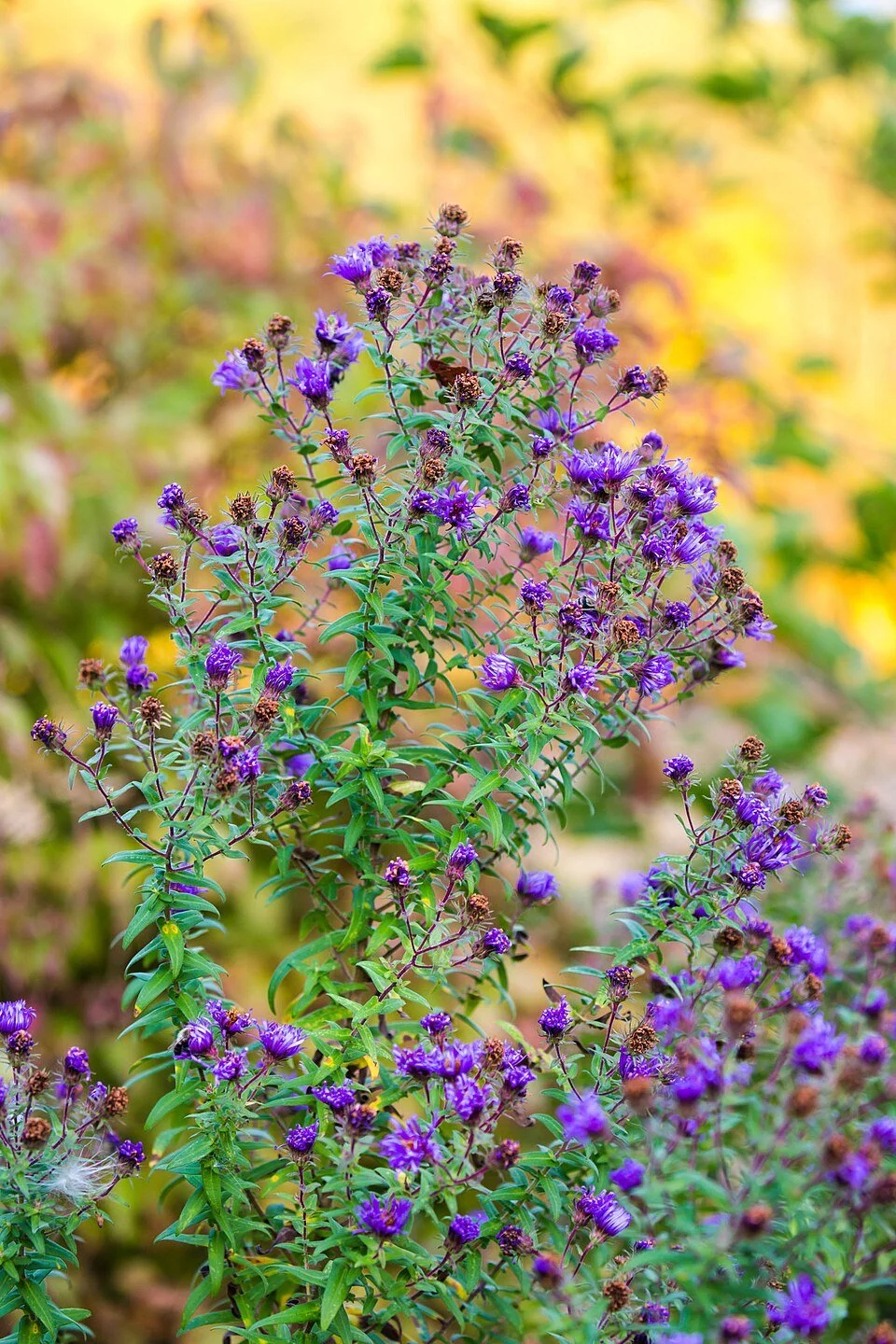
Likes part shade and sun. Generally grows in wet environments but also has been found in dry soil or sand.
Grows to 36-48" (tolerates a “chelsea chop” in June/July before buds set to keep the height down.)
Blooms August-October and even into November
New England Aster is an important late-season food source for pollinators. Plant it in your garden and it's guaranteed you'll have a pollinator party until the last flower is wilted away.
Symphyotrichum novae-angliae
Photos by Katy Chayka of Missesota Wildflowers; By The Cosmonaut, https://commons.wikimedia.org/w/index.php?curid=98381010; By Melissa McMasters, https://commons.wikimedia.org/w/index.php?curid=106936788
Likes part shade and sun. Generally grows in wet environments but also has been found in dry soil or sand.
Grows to 36-48" (tolerates a “chelsea chop” in June/July before buds set to keep the height down.)
Blooms August-October and even into November
New England Aster is an important late-season food source for pollinators. Plant it in your garden and it's guaranteed you'll have a pollinator party until the last flower is wilted away.
Symphyotrichum novae-angliae
Photos by Katy Chayka of Missesota Wildflowers; By The Cosmonaut, https://commons.wikimedia.org/w/index.php?curid=98381010; By Melissa McMasters, https://commons.wikimedia.org/w/index.php?curid=106936788