
 Image 1 of 2
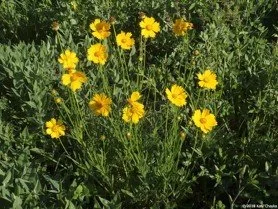 Image 2 of 2
Useful for pollinator restoration in large urban cities, providing a food source for animals that drink the nectar and/or eat the seed. It has a tendency to spread, but can be restricted by growing in containers. It thrives in full sun (4–6 hours of direct sunlight per day).
It prefers a sandy, well-drained soil. The plant should not be over watered as it will flop over. Heavy, clay-based soil retains moisture in winter months, which can kill many species. It is well-adapted to withstand extremes in soil moisture (both wet and dry). Adding compost to heavy soil can improve drainage as can creating a mounded bed, allowing the planting area to shed rain faster than the ground around it.
Grows 18-36"
Blooms May-July
Attracts butterflies
Tolerates: deer, drought, dry soil, shallow-rocky soil
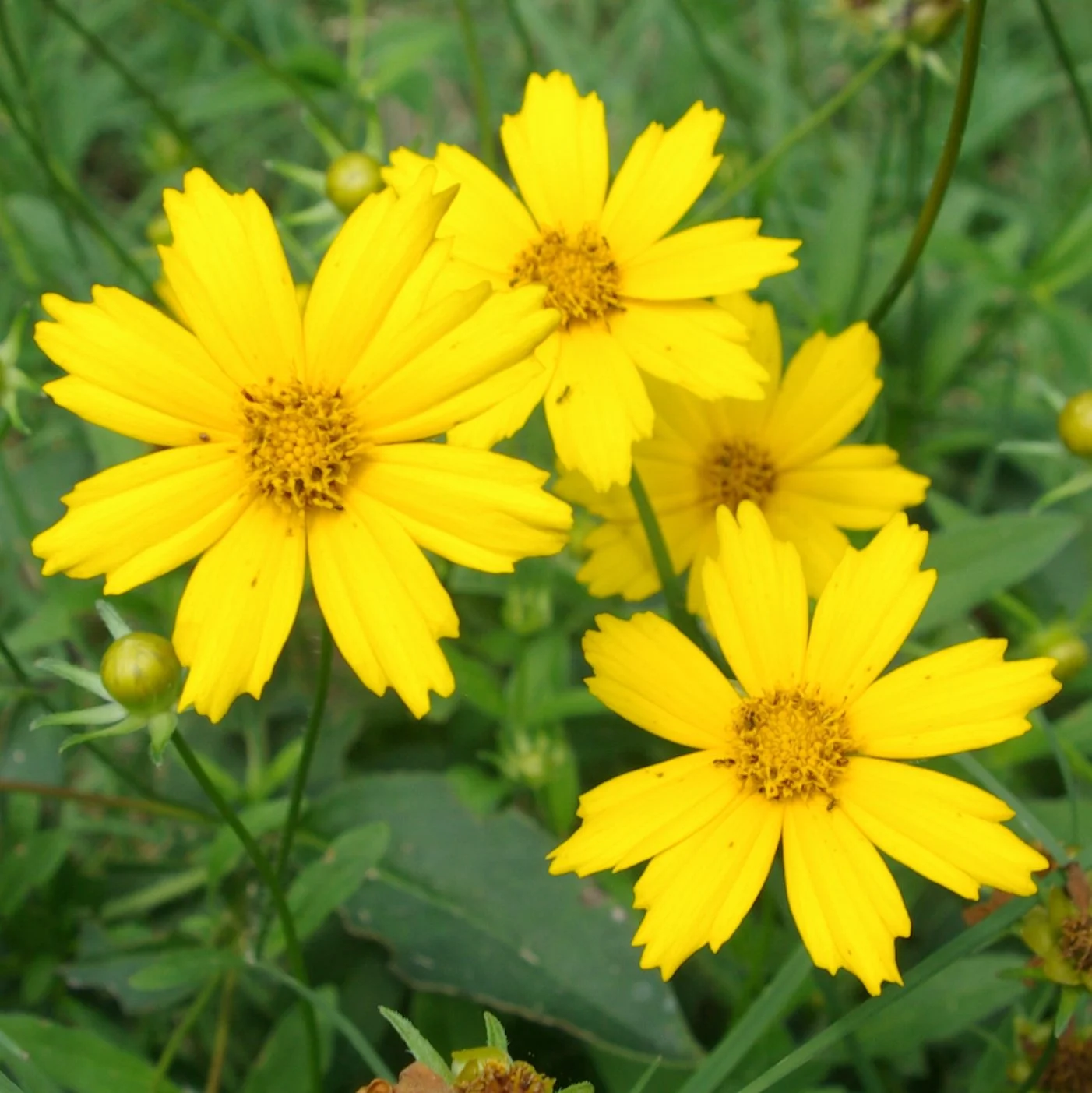
Coreopsis lanceolata
Photos by PK2Morgan, https://commons.wikimedia.org/w/index.php?curid=126443024, Katy Chayka of Minnesota Wildflowers
Useful for pollinator restoration in large urban cities, providing a food source for animals that drink the nectar and/or eat the seed. It has a tendency to spread, but can be restricted by growing in containers. It thrives in full sun (4–6 hours of direct sunlight per day).
It prefers a sandy, well-drained soil. The plant should not be over watered as it will flop over. Heavy, clay-based soil retains moisture in winter months, which can kill many species. It is well-adapted to withstand extremes in soil moisture (both wet and dry). Adding compost to heavy soil can improve drainage as can creating a mounded bed, allowing the planting area to shed rain faster than the ground around it.
Grows 18-36"
Blooms May-July
Attracts butterflies
Tolerates: deer, drought, dry soil, shallow-rocky soil
Coreopsis lanceolata
Photos by PK2Morgan, https://commons.wikimedia.org/w/index.php?curid=126443024, Katy Chayka of Minnesota Wildflowers