
 Image 1 of 2
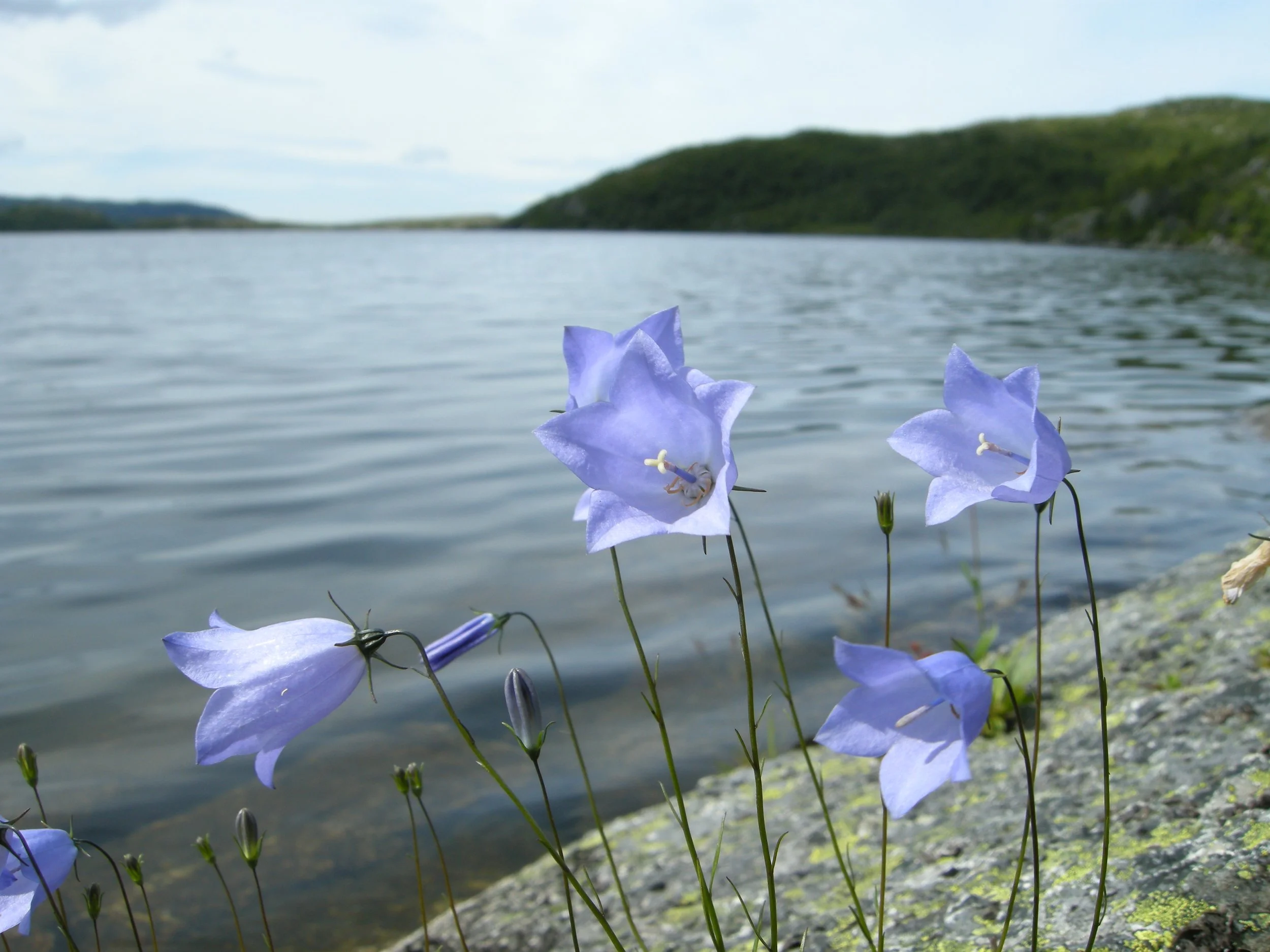 Image 2 of 2
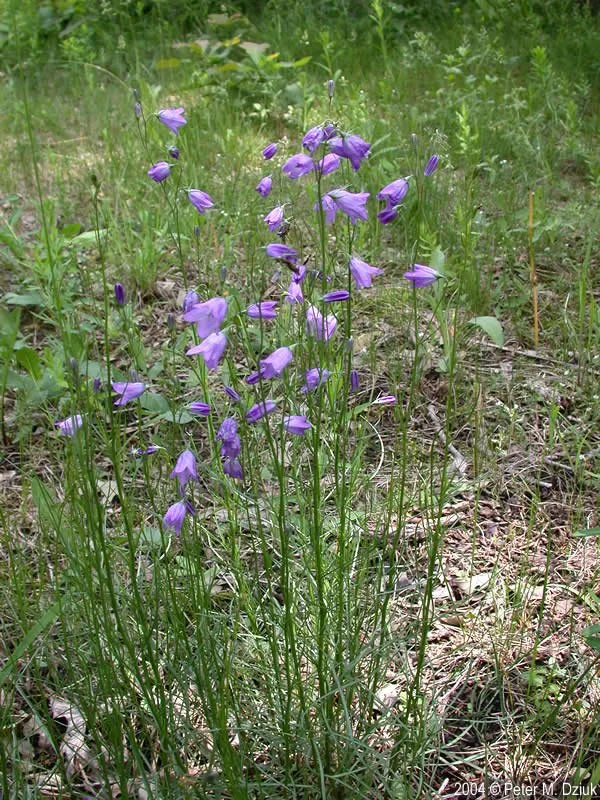
Harebells grow in dry, nutrient-poor grasslands and heaths. Often found growing in the barest of soils on bluffs, rock outcrops
Easily grown in average, medium moisture, well-drained soils. Plants prefer cool summer climates. In climates with hot, humid summers they appreciate some afternoon shade. Plants typically need regular and even moisture. Deadhead spent flowers to encourage additional bloom. Plants are often short-lived, but will easily remain in the garden in optimum growing conditions by self-seeding. Plants will spread in the garden by creeping roots. Plants may be propagated by cuttings, but division of mature plants can be difficult.
Grows 6-20"
Blooms June-October
Campanula rotundifolia
Photos by Peter Dzuik of Minnesota Wildflowers, BArnstein Rønning https://commons.wikimedia.org/w/index.php?curid=7628309
Harebells grow in dry, nutrient-poor grasslands and heaths. Often found growing in the barest of soils on bluffs, rock outcrops
Easily grown in average, medium moisture, well-drained soils. Plants prefer cool summer climates. In climates with hot, humid summers they appreciate some afternoon shade. Plants typically need regular and even moisture. Deadhead spent flowers to encourage additional bloom. Plants are often short-lived, but will easily remain in the garden in optimum growing conditions by self-seeding. Plants will spread in the garden by creeping roots. Plants may be propagated by cuttings, but division of mature plants can be difficult.
Grows 6-20"
Blooms June-October
Campanula rotundifolia
Photos by Peter Dzuik of Minnesota Wildflowers, BArnstein Rønning https://commons.wikimedia.org/w/index.php?curid=7628309